
National Vital Statistics System
The National Vital Statistics System (NVSS) is an inter-government system that shares vital statistics from the across entire United States. It is part of the CDC’s National Center for Health Statistics (NCHS).
NVSS provides data on maternal deaths, or deaths that occur during pregnancy and up to 42 days after.
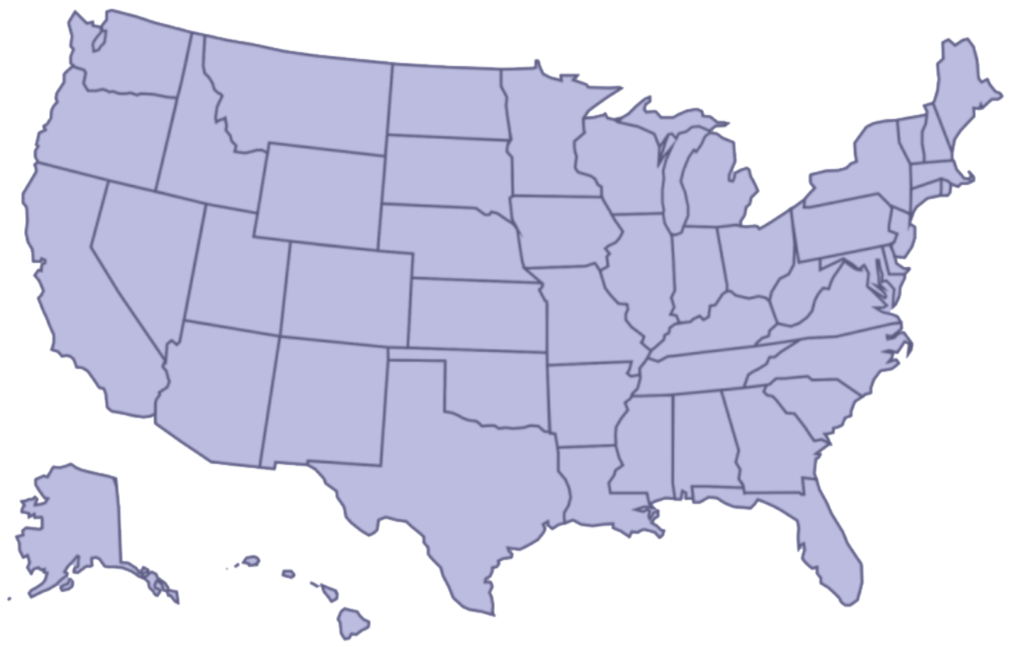
Where does the data come from?
The vital statistics data used in NVSS are provided through contracts between NCHS and vital registration systems responsible for births, deaths, marriages, divorces, and fetal deaths. All 50 States, 2 cities (Washington, DC, and New York City), and 5 territories (Puerto Rico, the Virgin Islands, Guam, American Samoa, and the Commonwealth of the Northern Mariana Islands) have the authority to register vital events.
NVSS combines data from death certificates from all states on maternal deaths (deaths during or up to 42 days after pregnancy) in order to measure the national maternal mortality rate (number of deaths during pregnancy and up to 42 days after per 100,000 live births).
Information Assessed
Data Source
How does NVSS data compare to PMSS and MMRC data?
National Vital Statistics System (NVSS)
Death records
To identify deaths during pregnancy and up to 42 days after
Provides an at-a-glance look at the maternal death rate in the US
Allows for comparing the US to other countries based on the WHO definition
Death records
Linked birth or fetal death records
To identify deaths during pregnancy and up to one year after
Pregnancy Mortality Surveillance System (PMSS)
Provides information about national trends and inequities in pregnancy-related deaths across racial and ethnic groups
Death records
Linked birth or fetal death records
Medical records
Social service records
Autopsies
Informant interviews
To identify deaths during pregnancy and up to one year after
Maternal Mortality Review Committees (MMRCs)
Provides a picture of pregnancy-related deaths at the state or local level
Pinpoints specific factors contributing to deaths
Determines if the death was preventable
Provides tangible prevention recommendations
Purpose